What Is Pilates? A Complete Beginner’s Guide
In recent years, Pilates or Mind–Body Exercise has evolved from a niche exercise method into a globally recognized fitness practice. From rehabilitation centers to luxury fitness studios, Mind–Body Exercise is widely recommended for people seeking strength, flexibility, and long-term body balance. But for beginners, one question often comes up: what is Pilates, and is it really suitable if you’re new to exercise?
This comprehensive guide answers that question by breaking down Mind–Body Exercise in a clear, beginner-friendly way—covering its principles, benefits, types, and practical tips to help you get started with confidence.
What Is Pilates?
Pilates is a low-impact exercise system designed to improve core strength, posture, flexibility, balance, and overall body control. Unlike workouts that rely on fast repetitions or heavy weights, Mind–Body Exercise emphasizes slow, precise movements combined with controlled breathing.
At the heart of Mind–Body Exercise is the concept of the “powerhouse”—the muscles of the abdomen, lower back, hips, and glutes. Strengthening this area creates a stable foundation for all movement, reducing strain on joints and improving functional fitness for daily activities.
Pilates can be practiced by people of all ages and fitness levels, making it especially popular among beginners, older adults, and individuals recovering from injury.
The History and Philosophy Behind Pilates
Pilates was developed by Joseph Pilates in the early 1900s. He believed that modern lifestyles weakened the body and that intentional movement could restore natural strength and vitality. His method, originally called Contrology, focused on mastering movement through mental awareness.
Joseph Pilates emphasized that physical fitness was essential not only for health but also for mental clarity and emotional balance—a philosophy that aligns closely with modern wellness principles.
Core Principles That Define Pilates
Pilates is guided by six fundamental principles that shape every exercise:
- Breathing: Breathing in Mind–Body Exercise is structured and purposeful, helping activate deep core muscles while increasing oxygen flow.
- Concentration: Each movement requires full attention, improving body awareness and coordination.
- Control: Exercises are performed with control, not momentum, reducing the risk of injury.
- Centering: All movements originate from the core, ensuring stability and balance.
- Precision: Proper alignment and technique matter more than the number of repetitions.
- Flow: Movements are smooth and continuous, promoting efficiency and grace.
These principles make Mind–Body Exercise uniquely effective for beginners who want to build a strong foundation.
Key Benefits of Pilates for Beginners
- Builds Deep Core Strength: This targets deep stabilizing muscles that support the spine, helping improve posture and reduce lower back discomfort.
- Improves Flexibility and Mobility: Regular practice gently lengthens muscles, improving joint range of motion without overstressing the body.
- Enhances Posture and Body Awareness: This trains you to recognize poor posture habits and correct them both during workouts and daily activities.
- Low-Impact and Beginner-Friendly: Because this avoids high-impact movements, it’s suitable for people with joint issues or those new to exercise.
- Supports Mental Well-Being: The mindful nature of Pilates helps reduce stress and improve focus, offering both physical and mental benefits.
Types of Pilates Explained
Understanding the different types of Pilates can help beginners choose the right format.
- Mat Pilates: Performed on the floor using body weight, mat exercise is the most accessible option and ideal for beginners.
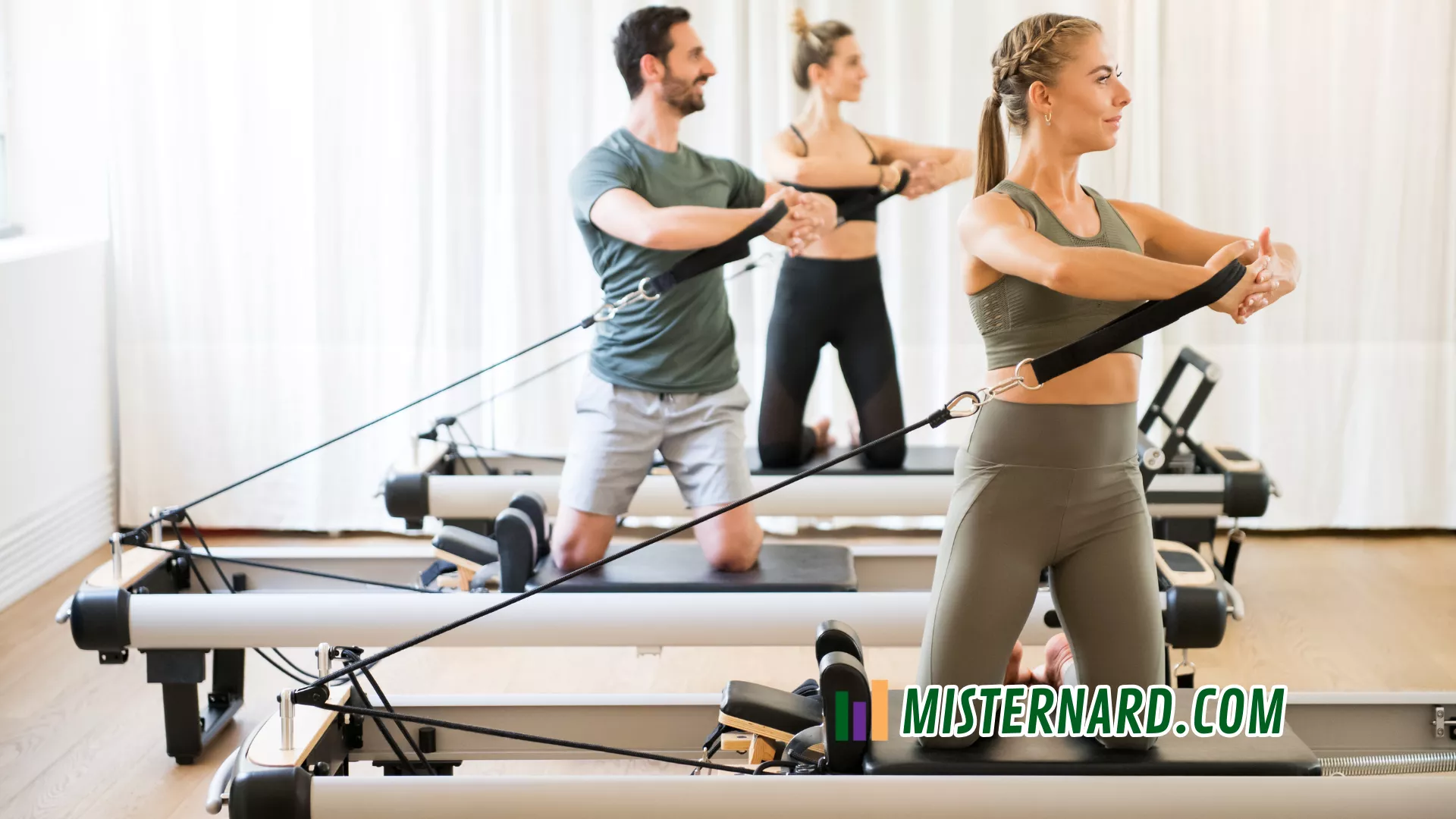
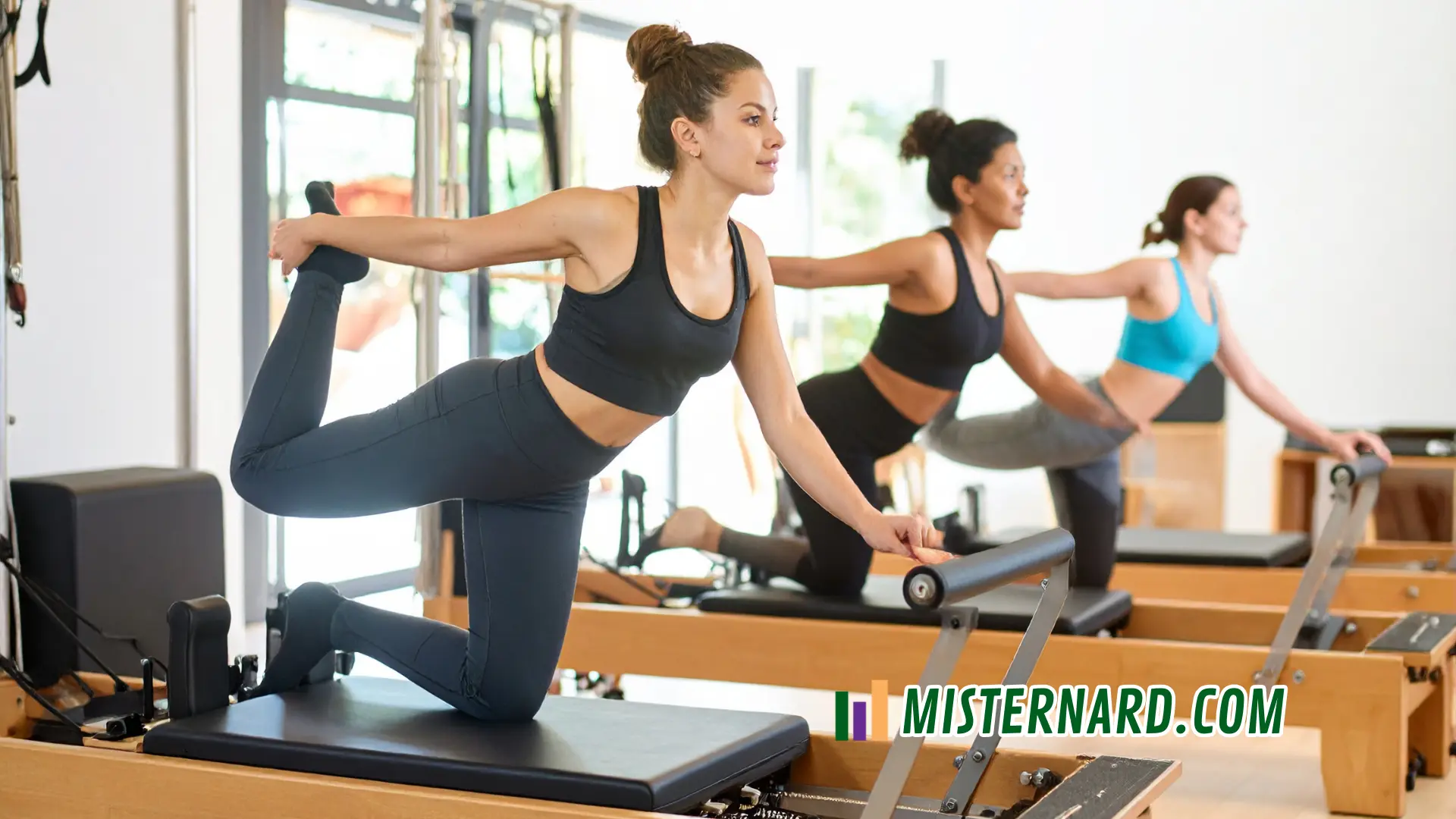
- Reformer Pilates: Uses specialized equipment with springs and pulleys to add resistance. It offers more variety but typically requires professional guidance.
- Clinical or Rehabilitation Pilates: Designed for injury recovery, often supervised by trained instructors or physical therapists.
- Contemporary Pilates: A modern interpretation that blends classical exercise with current exercise science.
Pilates vs Yoga: Which One Should You Choose?
While Pilates and yoga share similarities, their goals and methods differ.
| Aspect | Pilates | Yoga |
|---|---|---|
| Primary Focus | Core strength & control | Flexibility & mindfulness |
| Movement Style | Structured & precise | Flowing or static |
| Breathing | Coordinated with movement | Meditative |
| Ideal For | Posture & strength | Relaxation & mobility |
Beginners focused on posture correction and functional strength often gravitate toward Pilates.
How Often Should Beginners Do This?
For beginners, 2–3 sessions per week is ideal. This frequency allows the body to adapt while minimizing fatigue. Consistency is more important than session length—short, regular workouts deliver better long-term results.
How to Start This Safely as a Beginner
- Choose beginner-level classes or tutorials
- Focus on mastering technique before increasing intensity
- Use a quality exercise mat for comfort
- Wear flexible clothing that allows free movement
- Stop immediately if you feel pain or discomfort
- Starting slowly ensures steady progress and prevents injury.
Common Beginner Mistakes in Pilates
- Holding your breath during exercises
- Rushing movements instead of controlling them
- Ignoring core engagement
- Overstretching or forcing positions
- Skipping warm-ups and cool-downs
Avoiding these mistakes helps maximize benefits and keeps your practice safe.
Who Should Try Pilates?
Pilates is suitable for:
- Beginners new to fitness
- Office workers with posture issues
- Older adults seeking low-impact exercise
- Athletes looking to improve stability
- Individuals recovering from injury (with guidance)
Its adaptability makes this Mind–Body Exercise one of the most inclusive workout methods available.
Conclusion
Mind–Body Exercise is more than just an exercise—it’s a sustainable approach to movement that builds strength, flexibility, and long-term body awareness. For beginners, it offers a safe and effective way to improve overall fitness without overwhelming the body.
If you’re ready to explore more expert-backed fitness insights, practical guides, and beginner-friendly wellness content, visit 👉 https://misternard.com and start building healthier habits today.