The Benefits of Plant-Based Diets for Weight Loss
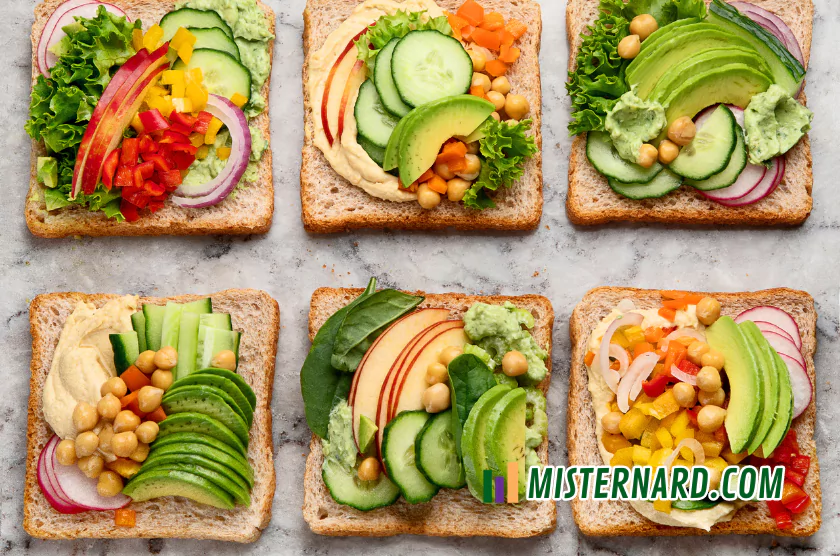
In recent years, the popularity of plant-based diets has surged, particularly among those looking to lose weight and improve their overall health. A plant-based diet focuses on consuming foods primarily derived from plants, including vegetables, fruits, nuts, seeds, oils, whole grains, legumes, and beans. The benefits of plant-based diets for weight loss are numerous, ranging from lower calorie intake to improved digestion and enhanced nutrient absorption. In this article, we will delve into how plant-based diets can aid in weight loss, discuss essential nutrients, and provide practical tips for adopting this lifestyle.
Understanding Plant-Based Diets
What is a Plant-Based Diet?
A plant-based diet emphasizes whole, minimally processed foods that come from plants. Unlike vegan or vegetarian diets, which may exclude all animal products, a plant-based diet allows for flexibility and can include small amounts of animal products. The focus is on maximizing the intake of plant foods and minimizing animal products.
Types of Plant-Based Diets
- Vegan Diet: Excludes all animal products.
- Vegetarian Diet: Excludes meat but may include dairy and eggs.
- Pescatarian Diet: Excludes meat but includes fish and seafood.
- Flexitarian Diet: Primarily plant-based but includes occasional meat and animal products.
Benefits of Plant-Based Diets for Weight Loss
- Lower Calorie Density: Plant-based foods typically have fewer calories per gram compared to animal-based foods, allowing you to eat more volume without consuming excess calories.
- High Fiber Content: Fiber-rich foods help you feel full longer, reducing overall calorie intake.
- Nutrient-Dense: These diets are rich in vitamins, minerals, and antioxidants, which support metabolism and overall health.
- Improved Digestion: High fiber intake aids in digestion and prevents constipation, contributing to a healthier gut.
- Reduced Risk of Chronic Diseases: Lower risk of heart disease, diabetes, and certain cancers, which can be associated with excess weight.
Essential Nutrients in a Plant-Based Diet
Protein
Sources: Beans, lentils, chickpeas, tofu, tempeh, quinoa, nuts, and seeds.
Importance: Protein is crucial for muscle maintenance and repair, especially during weight loss.
Iron
Sources: Spinach, lentils, chickpeas, quinoa, pumpkin seeds, and fortified cereals.
Importance: Iron supports oxygen transport and energy levels.
Calcium
Sources: Leafy greens, almonds, fortified plant milks, and tofu.
Importance: Calcium is essential for bone health.
Omega-3 Fatty Acids
Sources: Flaxseeds, chia seeds, walnuts, and hemp seeds.
Importance: Omega-3s are important for heart health and reducing inflammation.
Vitamin B12
Sources: Fortified plant milks, nutritional yeast, and supplements.
Importance: Vitamin B12 is vital for nerve function and red blood cell formation.
Vitamin D
Sources: Fortified plant milks, mushrooms, and sunlight exposure.
Importance: Vitamin D is necessary for bone health and immune function.
Tips for Successful Weight Loss on a Plant-Based Diet
Plan Your Meals
- Meal Prep: Prepare meals in advance to avoid unhealthy food choices.
- Balanced Meals: Include a variety of foods to ensure adequate nutrient intake.
- Portion Control: Be mindful of portion sizes to avoid overeating.
Stay Hydrated
- Water Intake: Drink plenty of water throughout the day to stay hydrated and support metabolism.
- Limit Sugary Drinks: Avoid high-calorie beverages that can add unnecessary calories.
Exercise Regularly
- Routine: Incorporate a mix of cardio, strength training, and flexibility exercises.
- Consistency: Aim for at least 150 minutes of moderate exercise per week.
Monitor Your Progress
- Tracking: Keep a food diary or use a mobile app to track your food intake and exercise.
- Adjustments: Make adjustments to your diet and exercise routine as needed to stay on track.
Common Challenges and How to Overcome Them
Nutrient Deficiencies
Supplements: Consider taking supplements for nutrients that are hard to get from diet alone, such as vitamin B12 and vitamin D.
Diverse Diet: Eat a variety of foods to cover all essential nutrients.
Social Situations
Planning Ahead: Bring your own plant-based dishes to gatherings.
Communication: Inform hosts about your dietary preferences and ask for plant-based options.
Cravings for Non-Plant-Based Foods
Healthy Alternatives: Find plant-based substitutes for your favorite non-plant-based foods.
Mindful Eating: Practice mindful eating to stay aware of hunger and fullness cues.
Sample Meal Plan for Weight Loss
Breakfast
- Overnight Oats: Rolled oats soaked in almond milk with chia seeds, topped with fresh berries and a drizzle of maple syrup.
- Smoothie: Blend spinach, banana, frozen berries, flaxseeds, and a scoop of plant-based protein powder.
Lunch
- Quinoa Salad: Quinoa mixed with chickpeas, cherry tomatoes, cucumber, red onion, and a lemon-tahini dressing.
- Veggie Wrap: Whole grain wrap filled with hummus, roasted vegetables, and leafy greens.
Dinner
- Stir-Fry: Sauté tofu with mixed vegetables (bell peppers, broccoli, carrots) in a teriyaki sauce, served over brown rice.
- Lentil Soup: Hearty soup made with lentils, carrots, celery, onions, and spices, served with a slice of whole grain bread.
Snacks
- Fresh Fruit: Apple slices with almond butter.
- Nuts and Seeds: A small handful of mixed nuts and seeds.
- Veggie Sticks: Carrot and celery sticks with hummus.
Incorporating Exercise into Your Routine
Regular physical activity is crucial for weight loss and overall health. Combining a plant-based diet with consistent exercise can maximize your weight loss results.
Types of Exercise
- Cardio: Running, cycling, swimming, or brisk walking.
- Strength Training: Weight lifting, resistance band exercises, or bodyweight exercises.
- Flexibility: Yoga, Pilates, or stretching routines.
Creating a Balanced Workout Plan
- Weekly Schedule: Plan your workouts for the week, ensuring a balance of cardio, strength, and flexibility exercises.
- Rest Days: Include rest days to allow your body to recover and prevent injury.
The Role of Mindfulness in Weight Loss
Mindfulness practices can significantly enhance your weight loss efforts by promoting a healthy relationship with food and your body.
Mindful Eating
- Awareness: Pay attention to your hunger and fullness cues.
- Slow Eating: Take time to savor each bite and eat slowly.
- Avoid Distractions: Eat without distractions, such as TV or smartphones.
Stress Management
- Relaxation Techniques: Practice deep breathing, meditation, or yoga to manage stress.
- Adequate Sleep: Ensure you get enough sleep each night to support overall health and weight loss.
Conclusion
In summary, adopting a plant-based diet can be an effective and sustainable way to achieve weight loss. By focusing on nutrient-dense, low-calorie foods, staying hydrated, exercising regularly, and practicing mindfulness, you can maximize the benefits of a plant-based lifestyle. Remember to plan your meals, monitor your progress, and address any challenges that arise. With dedication and consistency, a plant-based diet can help you reach your weight loss goals and improve your overall health.
Feel free to share your experiences, ask questions, or explore other articles on our site to continue your journey towards a healthier you.
Final Thoughts
Embracing a plant-based diet for weight loss is not just about shedding pounds; it’s about adopting a healthier, more sustainable lifestyle. By making informed food choices and incorporating regular physical activity, you can achieve lasting weight loss and improve your overall well-being. Stay committed, stay motivated, and enjoy the journey towards a healthier you.


