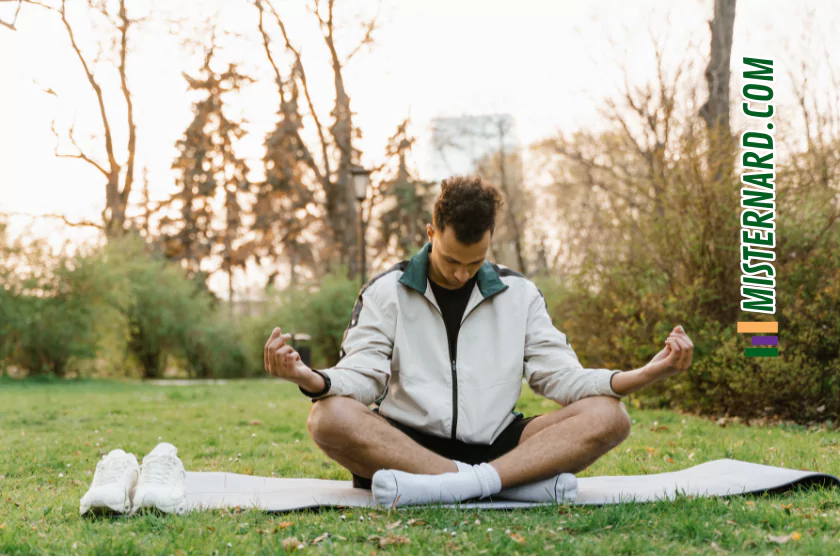
How to Reduce Stress with Mindfulness
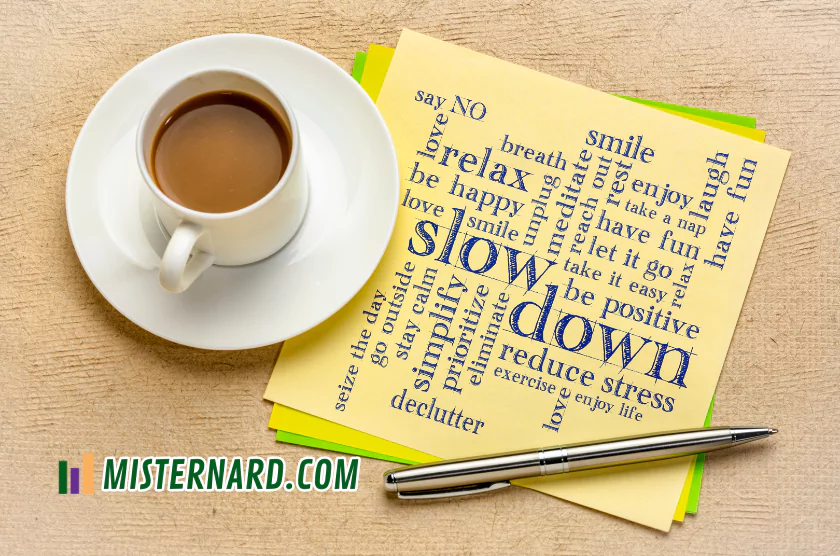
Stress is a common experience in today’s fast-paced world. Whether it’s due to work, personal relationships, or everyday challenges, everyone encounters stress at some point. Mindfulness is a powerful tool that can help reduce stress and improve overall well-being. In this article, we will explore how mindfulness works, the benefits it offers, and practical steps to incorporate mindfulness into your daily life to effectively manage stress.
What is Mindfulness?
Mindfulness is the practice of being fully present and engaged in the moment, without judgment. It involves paying attention to your thoughts, feelings, and surroundings with a sense of openness and curiosity. Originating from ancient meditation practices, mindfulness has gained popularity in modern psychology and wellness circles as an effective stress reduction technique.
The Science Behind Mindfulness
Research has shown that mindfulness can lead to significant improvements in mental health. According to a study published in the Journal of Clinical Psychology, mindfulness-based interventions can reduce symptoms of stress, anxiety, and depression. This is because mindfulness helps to regulate emotions and reduces the body’s stress response by activating the relaxation response.
Benefits of Mindfulness
Reduced Stress Levels: Regular mindfulness practice helps decrease the production of cortisol, the stress hormone, leading to a calmer state of mind.
Improved Focus and Concentration: Mindfulness trains the brain to stay focused on the present, improving attention span and cognitive function.
Enhanced Emotional Regulation: By becoming more aware of their emotions, individuals can respond to stressful situations more calmly and effectively.
Better Physical Health: Mindfulness has been linked to lower blood pressure, improved sleep quality, and a stronger immune system.
Increased Self-Awareness: Practicing mindfulness fosters greater self-understanding and acceptance.
How to Practice Mindfulness
1. Mindful Breathing
Mindful breathing is one of the simplest ways to begin practicing mindfulness. It involves focusing your attention on your breath, observing each inhale and exhale without trying to change it.
Steps:
- Find a quiet place to sit or lie down comfortably.
- Close your eyes and take a few deep breaths.
- Focus on the sensation of your breath entering and leaving your nostrils.
- If your mind wanders, gently bring your attention back to your breath.
2. Body Scan Meditation
Body scan meditation helps you become more aware of physical sensations in your body. This practice can be particularly helpful for releasing tension and reducing physical manifestations of stress.
Steps:
- Lie down on your back with your arms at your sides.
- Close your eyes and take a few deep breaths.
- Starting from your toes, slowly bring your attention to each part of your body, moving upward to your head.
- Notice any sensations, tensions, or discomfort without judgment.
- Spend a few moments focusing on each area before moving on to the next.
3. Mindful Eating
Mindful eating involves paying full attention to the experience of eating and drinking, both inside and outside the body. This practice can enhance the pleasure of eating and promote healthier eating habits.
Steps:
- Begin by appreciating the appearance, smell, and texture of your food.
- Take small bites and chew slowly, noticing the flavors and sensations.
- Pay attention to how your body feels during and after eating.
- Avoid distractions such as TV or smartphones while eating.
4. Walking Meditation
Walking meditation is a form of mindfulness that involves focusing on the experience of walking. It combines physical activity with mental awareness, making it an excellent practice for stress reduction.
Steps:
- Find a quiet place to walk, either indoors or outdoors.
- Walk slowly and focus on the sensation of your feet touching the ground.
- Pay attention to the movements of your body and your surroundings.
- If your mind wanders, gently bring your focus back to the act of walking.
5. Mindful Journaling
Writing down your thoughts and feelings can be a therapeutic way to practice mindfulness. Mindful journaling involves reflecting on your experiences and emotions in a non-judgmental way.
Steps:
- Set aside time each day to write in a journal.
- Reflect on your thoughts, feelings, and experiences.
- Write without censoring yourself or worrying about grammar or spelling.
- Use prompts such as “What am I feeling right now?” or “What am I grateful for today?”
Incorporating Mindfulness into Daily Life
- Create a Routine: Consistency is key to reaping the benefits of mindfulness. Set aside a specific time each day for your mindfulness practice, whether it’s in the morning, during lunch, or before bed.
- Start Small: If you’re new to mindfulness, start with just a few minutes each day and gradually increase the duration as you become more comfortable.
- Use Reminders: Set reminders on your phone or place sticky notes around your home or workplace to prompt you to practice mindfulness throughout the day.
- Be Patient: Mindfulness is a skill that takes time to develop. Be patient with yourself and recognize that it’s normal for your mind to wander during practice.
- Join a Group: Consider joining a mindfulness or meditation group in your community or online. Practicing with others can provide support and motivation.
Conclusion
Mindfulness is a powerful tool for reduce stress and enhancing overall well-being. By incorporating mindfulness practices such as mindful breathing, body scan meditation, and mindful eating into your daily routine, you can cultivate a greater sense of calm and presence in your life. Remember, mindfulness is a journey, and it’s important to be patient and kind to yourself as you develop this valuable skill. Start small, stay consistent, and enjoy the positive changes mindfulness can bring to your life. Share your experiences with mindfulness in the comments below, and don’t forget to check out our related articles for more tips on living a stress-free life.
By integrating these practices into your daily routine, you’ll find that managing to reduce stress becomes easier, and your overall quality of life improves. Mindfulness not only helps in reducing stress but also fosters a deeper connection with yourself and the world around you. So take a deep breath, be present, and start your mindfulness journey today.
Reference