Dietary Changes for Weight Loss
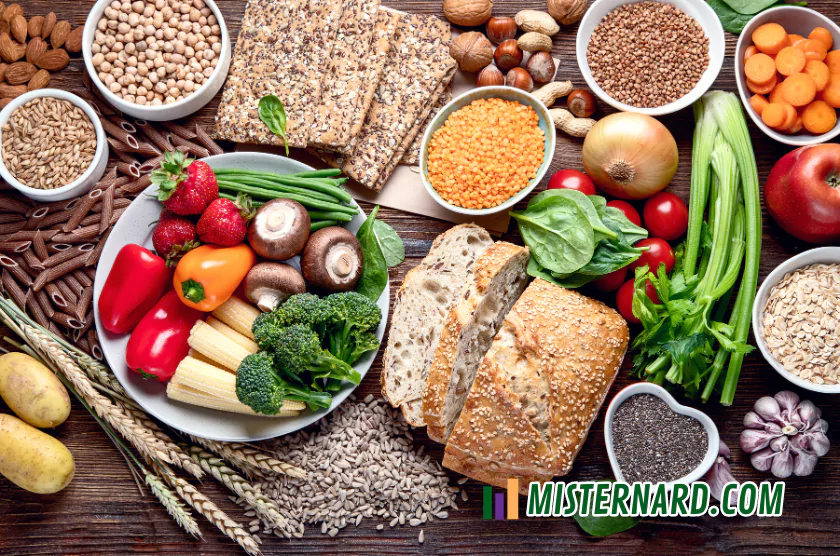
Weight loss is a common goal for many individuals seeking to improve their health and well-being. However, achieving and maintaining a healthy weight can be challenging without the right approach. One of the most effective strategies for weight loss is making dietary changes. This article explores various dietary changes that can aid in weight loss, focusing on key aspects such as weight loss diets, healthy eating, nutrition, and meal planning.
Introduction to Weight Loss Diet
Weight loss diets are structured plans designed to help individuals lose weight by consuming fewer calories than they expend. These diets vary in approach, but they generally emphasize reducing calorie intake, improving food quality, and incorporating regular physical activity. While numerous weight loss diets exist, it’s essential to choose one that aligns with your lifestyle and preferences to ensure long-term success.
Understanding Healthy Eating
Healthy eating is a fundamental aspect of any weight loss journey. It involves consuming a balanced diet that provides essential nutrients while avoiding excessive intake of unhealthy foods. Healthy eating promotes overall well-being and can help prevent chronic diseases such as obesity, diabetes, and heart disease.
Key Components of Healthy Eating
- Fruits and Vegetables: These should form the foundation of your diet. They are low in calories and high in vitamins, minerals, and fiber.
- Whole Grains: Whole grains like brown rice, oats, and quinoa provide essential nutrients and fiber, keeping you full for longer.
- Lean Proteins: Sources include poultry, fish, beans, and legumes. Protein is crucial for muscle repair and maintenance.
- Healthy Fats: Incorporate sources of unsaturated fats such as avocados, nuts, seeds, and olive oil.
- Limited Processed Foods: Reduce intake of processed and sugary foods, which are often high in empty calories and unhealthy fats.
Importance of Nutrition in Weight Loss
Proper nutrition is vital for weight loss as it ensures that your body gets the necessary nutrients to function correctly while maintaining a calorie deficit. A nutrient-dense diet supports metabolism, energy levels, and overall health, making it easier to lose weight and keep it off.
Macronutrients and Their Role
Carbohydrates: Provide energy for daily activities. Choose complex carbohydrates like whole grains over simple carbs found in sugary snacks.
Proteins: Essential for muscle growth and repair. They also help you feel full, reducing the likelihood of overeating.
Fats: Necessary for hormone production and nutrient absorption. Focus on healthy fats to support weight loss.
Micronutrients
Vitamins and minerals are crucial for various bodily functions. Ensure you get a variety of micronutrients by eating a diverse range of foods.
Effective Meal Planning for Weight Loss
Meal planning is a powerful tool for weight loss. It helps you control portion sizes, reduce food waste, and avoid impulsive eating. Here are some tips for effective meal planning:
- Set Realistic Goals: Define your weight loss goals and create a meal plan that aligns with them.
- Create a Grocery List: Plan your meals for the week and make a shopping list to ensure you have all the necessary ingredients.
- Prep in Advance: Prepare meals and snacks in advance to save time and avoid unhealthy choices.
- Balanced Meals: Each meal should include a balance of protein, carbohydrates, and healthy fats.
- Portion Control: Be mindful of portion sizes to avoid overeating.
Popular Weight Loss Diets
Several weight loss diets have gained popularity for their effectiveness. Here are a few well-known ones:
- Mediterranean Diet: Emphasizes fruits, vegetables, whole grains, and healthy fats. It’s known for its heart-healthy benefits.
- Low-Carb Diet: Focuses on reducing carbohydrate intake and increasing protein and fat consumption.
- Intermittent Fasting: Involves alternating periods of eating and fasting. It can help reduce calorie intake and improve metabolic health.
- Plant-Based Diet: Centers on consuming plant-derived foods and minimizing animal products. It’s rich in fiber and low in calories.
Practical Dietary Changes for Weight Loss
Implementing practical dietary changes can significantly impact your weight loss journey. Here are some actionable steps:
- Reduce Sugar Intake: Cut back on sugary beverages and snacks. Opt for natural sweeteners like honey or stevia.
- Increase Fiber Intake: Fiber-rich foods like fruits, vegetables, and whole grains can help you feel full and reduce overall calorie intake.
- Stay Hydrated: Drinking water before meals can help control hunger and prevent overeating.
- Mindful Eating: Pay attention to your body’s hunger and fullness cues. Avoid distractions while eating to prevent overeating.
- Healthy Snacking: Choose snacks like nuts, yogurt, or fruit instead of chips or cookies.
Role of Physical Activity
While dietary changes are crucial for weight loss, physical activity plays an essential role in burning calories and maintaining muscle mass. Combining a balanced diet with regular exercise can enhance weight loss results and improve overall fitness.
Overcoming Common Challenges
Embarking on a weight loss journey can present various challenges. Here are some common obstacles and strategies to overcome them:
- Cravings: Combat cravings by incorporating small portions of your favorite treats into your diet occasionally. Opt for healthier alternatives when possible.
- Plateaus: Weight loss plateaus are common. Revise your meal plan and exercise routine to overcome them.
- Social Situations: Plan ahead for social events by eating a healthy meal beforehand and choosing healthier options when dining out.
- Time Constraints: Prepare meals in advance and choose quick, healthy recipes to fit your busy schedule.
Maintaining Weight Loss
Sustaining weight loss is as important as losing weight. Adopt long-term healthy habits to maintain your progress:
- Continue Healthy Eating: Stick to a balanced diet even after reaching your weight loss goals.
- Stay Active: Regular physical activity helps maintain weight and improves overall health.
- Monitor Progress: Keep track of your weight and adjust your diet and exercise routine as needed.
- Seek Support: Join support groups or seek professional guidance to stay motivated and accountable.
Conclusion
Achieving weight loss through dietary changes involves adopting a balanced approach to eating, focusing on nutrition, and planning meals effectively. By understanding the importance of healthy eating, nutrition, and meal planning, you can create a sustainable weight loss plan that promotes long-term health and well-being. Remember, the key to success is consistency, patience, and making informed choices that align with your lifestyle and goals.


