History of Pilates: From Joseph Pilates to Modern Fitness
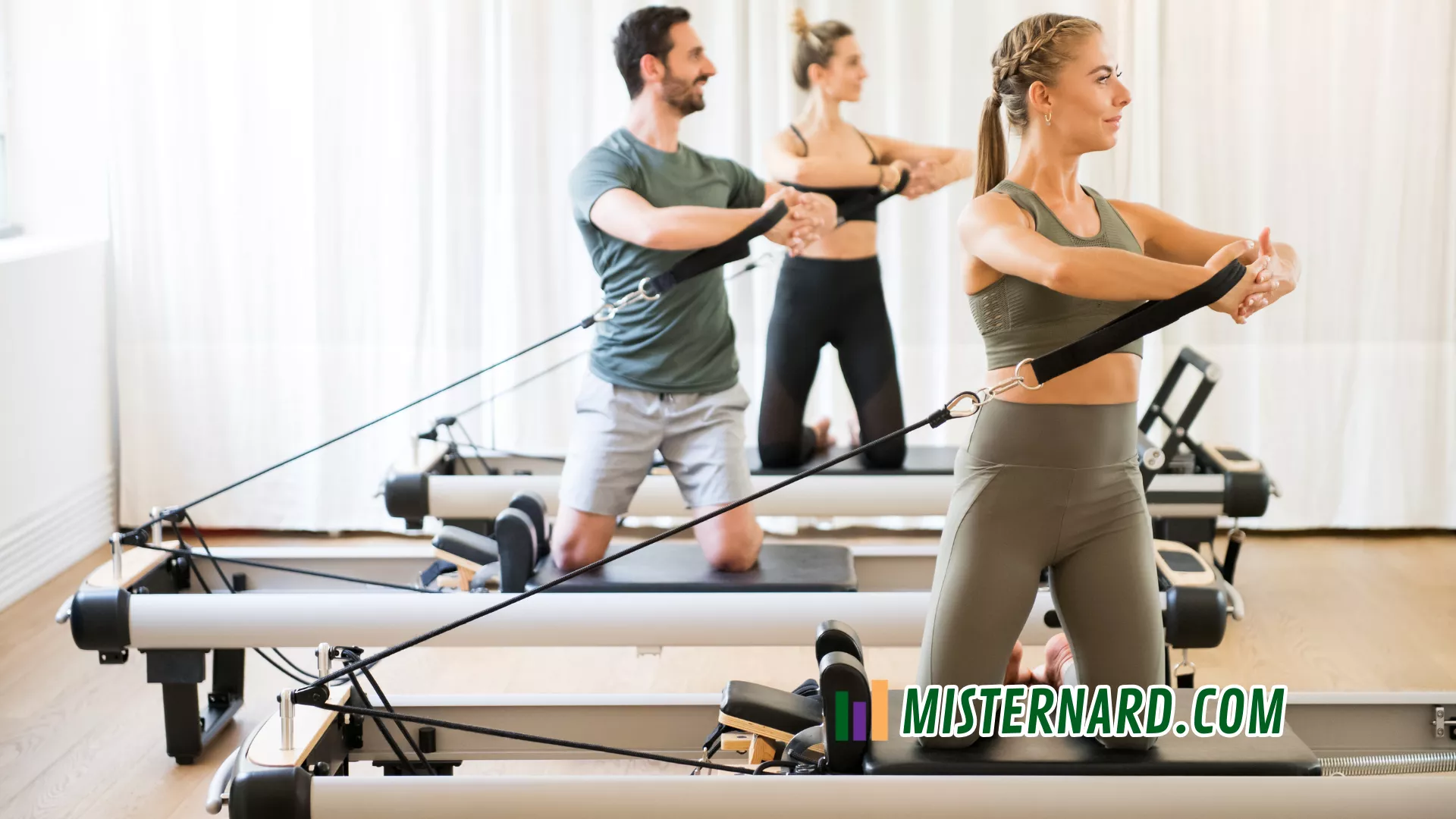
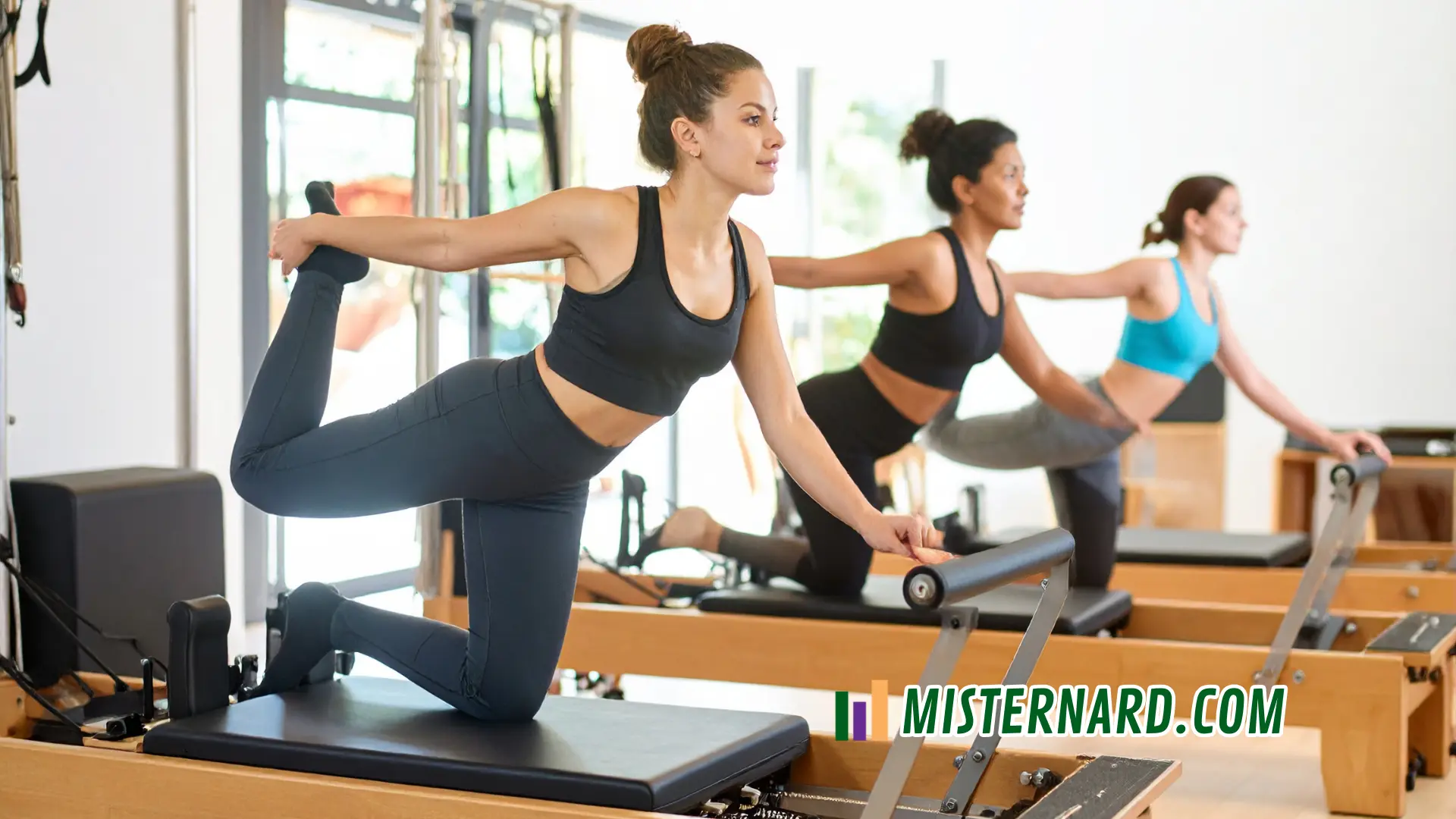
Pilates is now recognized worldwide as a safe, effective, and intelligent exercise system. Practiced in studios, gyms, rehabilitation centers, and even at home, Pilates has become part of mainstream fitness culture. However, behind its modern popularity lies a fascinating history rooted in discipline, resilience, and innovation.
Understanding the history of Pilates not only adds depth to the practice but also reveals why it remains relevant in today’s fast-evolving fitness world. This article explores Pilates’ journey—from its creator’s early life to its transformation into a global movement method.
Who Was Joseph Pilates?
Pilates was developed by Joseph Pilates, a German-born physical trainer who dedicated his life to improving physical and mental health through movement.
Born in 1883 in Mönchengladbach, Germany, Joseph Pilates grew up with various health challenges, including asthma and rickets. Determined to overcome his physical limitations, he studied anatomy, bodybuilding, gymnastics, yoga, and martial arts. These diverse influences later shaped the foundation of his exercise philosophy.
From an early age, Joseph Pilates believed that many modern illnesses were caused by poor posture, shallow breathing, and inefficient movement—ideas that closely align with today’s understanding of sedentary lifestyles.
The Origins of Pilates: Contrology
Joseph Pilates originally called his method Contrology, a term that emphasized complete coordination of body, mind, and spirit. Unlike traditional exercise systems that focused on brute strength, Contrology prioritized control, precision, and awareness.
The core belief behind Contrology was that proper movement, combined with correct breathing, could restore the body’s natural alignment and vitality. This philosophy remains central to Pilates practice today.
Key characteristics of early Contrology included:
- Conscious control of every movement
- Emphasis on spinal alignment
- Integration of breathing with motion
- Balanced muscle development
These principles distinguished Pilates from other fitness trends of the early 20th century.
Pilates During World War I
One of the most pivotal moments in Pilates history occurred during World War I. While living in England, Joseph Pilates was interned as a German national. During this time, he worked as a nurse’s aide in a hospital.
It was here that Pilates began refining his exercise method for injured and bedridden patients. He attached springs to hospital beds, allowing patients to perform resistance-based movements while lying down. These improvised devices became the inspiration for modern Pilates equipment.
This period marked Pilates’ early connection with rehabilitation and injury recovery, a relationship that continues to define its role in healthcare today.
The Birth of Pilates Equipment
Following the war, Joseph Pilates returned to Germany and continued developing his system. He later moved to the United States in the 1920s, where Pilates began to take a more recognizable form.
Using his engineering skills and creativity, Pilates designed specialized apparatuses, many of which are still used today:
- The Reformer
- The Cadillac (Trapeze Table)
- The Wunda Chair
- The Ladder Barrel
These machines used springs to create adjustable resistance, making Pilates suitable for people of varying abilities—from athletes to rehabilitation patients.
Pilates Arrives in the United States
In 1926, Joseph Pilates immigrated to New York City, where he opened a studio with his wife, Clara Pilates. Their studio quickly gained attention, particularly among dancers.
Professional dancers were drawn to Pilates because it helped:
- Improve strength without adding bulk
- Increase flexibility and control
- Support injury recovery
- Enhance movement efficiency
Many famous dancers and choreographers became devoted practitioners, helping spread Pilates through the performing arts community.
The Evolution of Pilates After Joseph Pilates
Joseph Pilates passed away in 1967, but his method did not disappear. Instead, his students—often referred to as the “Pilates Elders”—continued teaching and adapting Contrology.
Over time, Pilates evolved into two main branches:
- Classical Pilates, which strictly follows Joseph Pilates’ original exercises and sequences
- Contemporary Pilates, which integrates modern anatomy, biomechanics, and physical therapy principles
This evolution allowed Pilates to remain relevant as scientific understanding of the human body advanced.
Pilates and Modern Fitness Culture
By the late 20th and early 21st centuries, Pilates had entered mainstream fitness culture. Fitness studios, gyms, and online platforms began offering Pilates classes to a wider audience.
Modern Pilates emphasizes:
- Core stability and functional strength
- Injury prevention
- Postural correction
- Low-impact, sustainable fitness
This shift positioned Pilates as an ideal solution for people seeking long-term health rather than short-term fitness trends.
Pilates in Rehabilitation and Sports Performance
One of Pilates’ greatest strengths is its adaptability. Today, it is widely used in:
- Physical therapy clinics
- Sports training programs
- Postural rehabilitation
- Senior fitness programs
Athletes use Pilates to enhance performance, while healthcare professionals rely on it to support recovery and prevent re-injury. This dual role reinforces Pilates’ reputation as both a fitness and therapeutic system.
Why Pilates Has Stood the Test of Time
Unlike many fitness trends that fade quickly, Pilates has endured for over a century. Its longevity can be attributed to:
- A strong philosophical foundation
- Emphasis on quality over quantity
- Adaptability to modern science
- Broad applicability across ages and abilities
Pilates continues to evolve without losing its core identity—an essential factor in its lasting success.
Conclusion: Pilates as a Timeless Movement System
The history of Pilates is a story of resilience, innovation, and thoughtful movement. From Joseph Pilates’ early experiments in Contrology to its role in modern fitness and rehabilitation, Pilates has consistently proven its value.
Today, Pilates stands as more than just an exercise routine—it is a movement philosophy that promotes balance, awareness, and sustainable health. Understanding its history helps practitioners appreciate not only how Pilates works, but why it continues to thrive in the modern world.