Mediterranean Diet: The Secret to a Long and Healthy Life
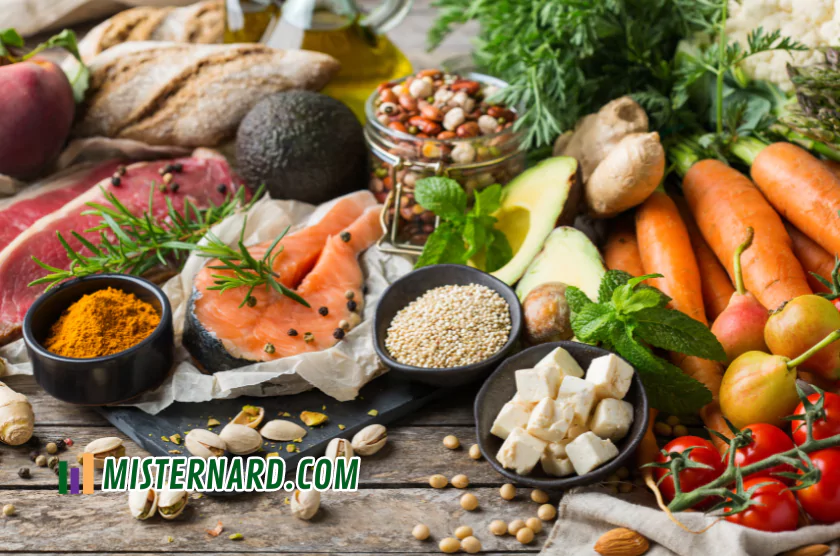
The Mediterranean diet has long been touted as one of the healthiest eating patterns in the world. With roots in the traditional dietary habits of countries bordering the Mediterranean Sea, this diet is rich in fruits, vegetables, whole grains, and healthy fats. In this article, we will explore why the Mediterranean diet is considered the secret to a long and healthy life, discuss its key components, and provide practical tips on how to incorporate it into your daily routine.
The Benefits of the Mediterranean Diet
Promotes Heart Health
One of the most well-known benefits of the Mediterranean diet is its positive impact on heart health. Research has shown that this diet can help reduce the risk of heart disease by:
- Lowering LDL cholesterol levels
- Reducing blood pressure
- Decreasing inflammation
A study published in the New England Journal of Medicine found that individuals who followed the Mediterranean diet had a 30% lower risk of heart disease and stroke compared to those on a low-fat diet.
Supports Weight Management
Maintaining a healthy weight is crucial for overall health and longevity. The Mediterranean diet promotes weight management by emphasizing:
- High intake of fiber-rich foods like fruits, vegetables, and whole grains
- Moderate consumption of healthy fats from sources such as olive oil, nuts, and seeds
- Lean protein sources like fish and legumes
Reduces Risk of Chronic Diseases
The Mediterranean diet is also linked to a lower risk of several chronic diseases, including:
- Type 2 diabetes: The diet’s emphasis on whole grains, fruits, and vegetables helps regulate blood sugar levels.
- Cancer: Antioxidant-rich foods like fruits, vegetables, and olive oil can protect against certain types of cancer.
- Alzheimer’s disease: The diet’s anti-inflammatory and antioxidant properties support brain health.
Enhances Mental Well-being
In addition to physical health benefits, the Mediterranean diet can also improve mental well-being. Studies have shown that this diet can help reduce the risk of depression and anxiety. The diet’s focus on whole, nutrient-dense foods supports brain function and mood regulation.
Key Components of the Mediterranean Diet
Fruits and Vegetables
A cornerstone of the Mediterranean diet is the abundant consumption of fruits and vegetables. These foods are packed with vitamins, minerals, antioxidants, and fiber. Aim to include a variety of colorful fruits and vegetables in your meals to ensure you get a wide range of nutrients.
Whole Grains
Whole grains are an essential part of the Mediterranean diet. Unlike refined grains, whole grains retain all parts of the grain, providing more fiber, vitamins, and minerals. Examples of whole grains include:
- Whole wheat
- Brown rice
- Quinoa
- Barley
Healthy Fats
Healthy fats, particularly from olive oil, are a significant component of the Mediterranean diet. Olive oil is rich in monounsaturated fats, which can help reduce bad cholesterol levels and lower the risk of heart disease. Other sources of healthy fats include:
- Avocados
- Nuts and seeds
- Fatty fish like salmon and mackerel
Lean Proteins
The Mediterranean diet emphasizes lean protein sources, such as:
- Fish and seafood: Aim to eat fish at least twice a week.
- Legumes: Beans, lentils, and chickpeas are excellent plant-based protein sources.
- Poultry: Chicken and turkey are preferred over red meat.
Herbs and Spices
Herbs and spices are used liberally in the Mediterranean diet to enhance the flavor of dishes without adding extra salt. Common herbs and spices include:
- Basil
- Oregano
- Rosemary
- Garlic
Practical Tips for Adopting the Mediterranean Diet
Start with Small Changes
Adopting a new eating pattern can be challenging, so start with small changes. Gradually incorporate more fruits, vegetables, and whole grains into your meals. Swap out unhealthy fats like butter for olive oil, and choose fish or legumes as your protein source more often.
Plan Your Meals
Meal planning can help you stay on track with the Mediterranean diet. Plan your meals for the week, focusing on recipes that include the key components of the diet. This can also make grocery shopping more efficient and reduce the temptation to opt for less healthy options.
Cook at Home
Cooking at home allows you to control the ingredients and ensure your meals align with the Mediterranean diet principles. Experiment with new recipes and cooking techniques to keep your meals interesting and enjoyable.
Enjoy Meals with Family and Friends
The Mediterranean diet is not just about the food you eat but also the social aspect of dining. Sharing meals with family and friends can enhance the enjoyment of your food and contribute to overall well-being.
Recommended Recipes to Get Started
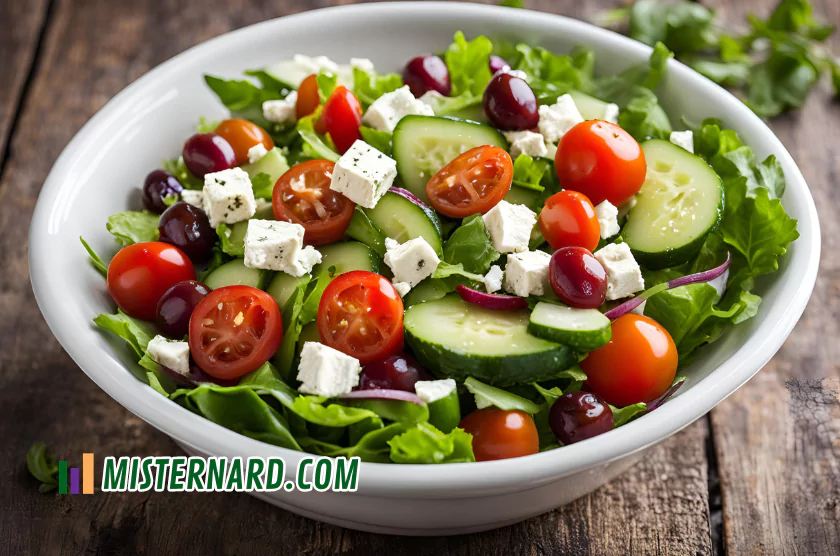
Greek Salad
Ingredients:
- 4 cups mixed greens
- 1 cucumber, sliced
- 1 bell pepper, sliced
- 1 red onion, thinly sliced
- 1 cup cherry tomatoes, halved
- 1/2 cup Kalamata olives
- 1/2 cup feta cheese, crumbled
- 1/4 cup extra virgin olive oil
- 2 tablespoons red wine vinegar
- 1 teaspoon dried oregano
- Salt and pepper to taste
Instructions:
- In a large bowl, combine the mixed greens, cucumber, bell pepper, red onion, cherry tomatoes, and olives.
- In a small bowl, whisk together the olive oil, red wine vinegar, oregano, salt, and pepper.
- Drizzle the dressing over the salad and toss to combine.
- Sprinkle the feta cheese on top and serve.

Baked Salmon with Lemon and Dill
Ingredients:
- 4 salmon fillets
- 2 tablespoons olive oil
- 1 lemon, sliced
- 1 tablespoon fresh dill, chopped
- Salt and pepper to taste
Instructions:
- Preheat the oven to 375°F (190°C).
- Place the salmon fillets on a baking sheet lined with parchment paper.
- Drizzle the olive oil over the salmon and season with salt and pepper.
- Arrange the lemon slices on top of the salmon fillets.
- Sprinkle the fresh dill over the salmon.
- Bake for 20-25 minutes, or until the salmon is cooked through and flakes easily with a fork.
Conclusion
In summary, the Mediterranean diet offers numerous health benefits, including improved heart health, weight management, and reduced risk of chronic diseases. By incorporating key components such as fruits, vegetables, whole grains, and healthy fats into your diet, you can enjoy delicious meals while promoting a long and healthy life. Start with small changes, plan your meals, and enjoy the social aspect of dining to fully embrace the Mediterranean lifestyle. Share your experiences, leave comments, and explore more articles on our site to continue your journey to better health.
Thank you for reading! We hope this article has inspired you to explore the Mediterranean diet and its many benefits. Don’t forget to share this article with your friends and family, and stay tuned for more health and wellness tips on our site.
Reference