10 Best Foods for Weight Loss
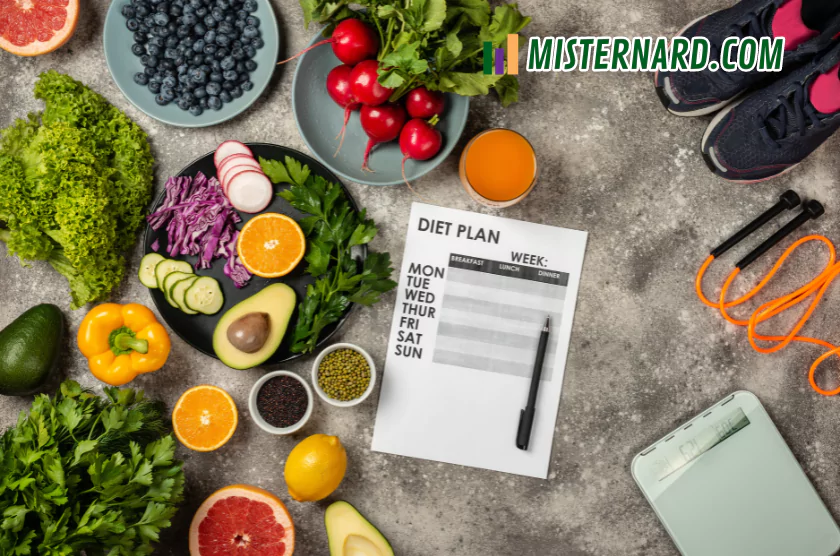
When embarking on a weight loss journey, choosing the right foods can make a significant difference. Incorporating weight loss foods into your diet not only helps in shedding those extra pounds but also ensures you maintain a healthy and balanced diet. In this article, we will explore the 10 best foods for weight loss, focusing on their nutritional benefits and how they can aid in your weight loss goals. We’ll also address common questions like “What are the best foods to eat for weight loss?” and “What foods should I avoid to lose weight?”
1. Leafy Greens
Leafy greens such as spinach, kale, and Swiss chard are excellent weight loss foods. They are low in calories and high in fiber, which helps you feel full and satisfied. Additionally, they are rich in vitamins, minerals, and antioxidants that support overall health.
Benefits of Leafy Greens
- Low in Calories: Helps reduce overall calorie intake.
- High in Fiber: Promotes satiety and reduces hunger.
- Nutrient-Dense: Provides essential vitamins and minerals.
Incorporate leafy greens into your meals by adding them to salads, smoothies, or sautéing them as a side dish.
2. Lean Proteins
Lean proteins, such as chicken breast, turkey, and fish, are crucial for weight loss. They help build and repair muscle tissue, which can boost your metabolism and increase the number of calories you burn at rest.
Benefits of Lean Proteins
- Muscle Building: Supports muscle growth and repair.
- Satiety: Keeps you feeling full for longer periods.
- Thermogenic Effect: Increases calorie burning during digestion.
Include lean proteins in your diet by grilling, baking, or steaming them and pairing them with vegetables or whole grains.
3. Whole Eggs
Whole eggs are a powerful weight loss food. They are high in protein and healthy fats, which help keep you full and reduce cravings. Contrary to previous beliefs, studies have shown that eggs do not negatively impact cholesterol levels in most people.
Benefits of Whole Eggs
- Protein-Rich: Supports muscle maintenance and satiety.
- Healthy Fats: Provides essential fatty acids for overall health.
- Nutrient-Rich: Contains vitamins and minerals essential for bodily functions.
Start your day with a healthy breakfast by having boiled or scrambled eggs, or incorporate them into salads and other dishes.
4. Berries
Berries like strawberries, blueberries, and raspberries are among the best diet foods due to their low calorie and high fiber content. They are also packed with antioxidants, which can help reduce inflammation and improve overall health.
Benefits of Berries
- Low in Calories: Perfect for snacking without excess calorie intake.
- High in Fiber: Aids digestion and promotes fullness.
- Antioxidant-Rich: Protects against oxidative stress and inflammation.
Enjoy berries as a snack, in smoothies, or as a topping for yogurt or oatmeal.
5. Greek Yogurt
Greek yogurt is a fantastic addition to a weight loss diet. It is higher in protein and lower in sugar compared to regular yogurt. The probiotics in Greek yogurt also support a healthy gut, which can be beneficial for weight management.
Benefits of Greek Yogurt
- High in Protein: Enhances satiety and supports muscle maintenance.
- Probiotics: Promotes a healthy gut microbiome.
- Low in Sugar: Reduces overall sugar intake.
Choose plain, unsweetened Greek yogurt and add your own fresh fruits or nuts for flavor and added nutrition.
6. Avocados
Avocados are considered healthy foods for weight loss due to their high content of healthy fats, fiber, and various essential nutrients. Despite being calorie-dense, they can help promote satiety and reduce overall calorie intake.
Benefits of Avocados
- Healthy Fats: Supports heart health and satiety.
- Fiber-Rich: Aids digestion and keeps you full.
- Nutrient-Dense: Provides vitamins and minerals like potassium and vitamin E.
Add avocados to salads, toast, or smoothies, or enjoy them as a healthy dip with vegetables.
7. Nuts and Seeds
Nuts and seeds are nutrient-dense foods that can support weight loss. They are rich in healthy fats, protein, and fiber, making them a satisfying and nutritious snack option.
Benefits of Nuts and Seeds
- Healthy Fats: Provides essential fatty acids.
- Protein and Fiber: Promotes fullness and reduces cravings.
- Micronutrients: Contains vitamins, minerals, and antioxidants.
Opt for raw or dry-roasted nuts and seeds without added sugars or salts. Enjoy them as snacks, in salads, or as toppings for yogurt and oatmeal.
8. Whole Grains
Whole grains such as quinoa, brown rice, and oats are excellent healthy foods for weight loss. They are high in fiber, which aids digestion and keeps you feeling full for longer periods.
Benefits of Whole Grains
- High in Fiber: Promotes satiety and healthy digestion.
- Nutrient-Rich: Provides essential vitamins and minerals.
- Energy Sustaining: Offers a steady release of energy.
Incorporate whole grains into your meals by using them as a base for salads, side dishes, or breakfast cereals.
9. Beans and Legumes
Beans and legumes like lentils, chickpeas, and black beans are great for weight loss. They are high in protein and fiber, which helps in maintaining fullness and reducing overall calorie intake.
Benefits of Beans and Legumes
- Protein-Rich: Supports muscle maintenance and satiety.
- High in Fiber: Aids digestion and reduces hunger.
- Nutrient-Dense: Provides vitamins and minerals like iron and folate.
Add beans and legumes to soups, salads, and stews, or enjoy them as a protein-packed side dish.
10. Cruciferous Vegetables
Cruciferous vegetables such as broccoli, cauliflower, and Brussels sprouts are among the best diet foods. They are low in calories and high in fiber and other essential nutrients. Their unique combination of nutrients makes them particularly effective for weight loss.
Benefits of Cruciferous Vegetables
- Low in Calories: Helps in maintaining a calorie deficit.
- High in Fiber: Promotes fullness and aids digestion.
- Nutrient-Rich: Contains vitamins, minerals, and antioxidants.
Include these vegetables in your diet by roasting, steaming, or stir-frying them as part of your meals.
What are the Best Foods to Eat for Weight Loss?
Choosing the right foods is crucial when aiming for weight loss. Here’s a quick summary of the best foods to eat for weight loss:
- Leafy Greens: Low in calories, high in fiber, and nutrient-dense.
- Lean Proteins: Supports muscle growth and satiety.
- Whole Eggs: High in protein and healthy fats.
- Berries: Low calorie, high fiber, and antioxidant-rich.
- Greek Yogurt: High in protein and probiotics.
- Avocados: Healthy fats and fiber-rich.
- Nuts and Seeds: Healthy fats, protein, and fiber.
- Whole Grains: High in fiber and nutrient-dense.
- Beans and Legumes: High in protein and fiber.
- Cruciferous Vegetables: Low in calories and high in fiber.
Incorporating these weight loss foods into your daily diet can significantly aid your weight loss journey. They provide essential nutrients, promote fullness, and help maintain a calorie deficit.
What Foods Should I Avoid to Lose Weight?
While incorporating healthy foods for weight loss is essential, it’s equally important to avoid certain foods that can hinder your weight loss progress. Here are some foods to avoid for weight loss:
1. Sugary Beverages
Sugary beverages like sodas, fruit juices, and energy drinks are high in empty calories and can lead to weight gain. They provide little to no nutritional value and can increase cravings for sweet and unhealthy foods.
2. Processed Foods
Processed foods, such as chips, cookies, and fast food, are often high in unhealthy fats, sugars, and calories. They can lead to overeating and provide little nutritional benefit.
3. Refined Grains
Refined grains, such as white bread, pasta, and pastries, are stripped of their nutrients and fiber during processing. They can cause rapid spikes in blood sugar levels and increase hunger.
4. High-Calorie Snacks
Snacks like candy, chocolate bars, and fried snacks are calorie-dense and can lead to weight gain if consumed in excess. They often contain unhealthy fats and added sugars.
5. High-Fat Dairy Products
High-fat dairy products like full-fat cheese, butter, and cream can contribute to weight gain due to their high calorie and saturated fat content. Opt for low-fat or fat-free alternatives instead.
6. Alcohol
Alcoholic beverages are high in empty calories and can lower inhibitions, leading to poor food choices and overeating. Limiting alcohol intake can support weight loss efforts.
7. High-Sugar Foods
Foods high in added sugars, such as sweets, cakes, and ice cream, can contribute to weight gain and negatively impact metabolic health. Choose natural sources of sweetness like fruits instead.
8. Trans Fats
Trans fats, found in many fried and packaged foods, can increase the risk of weight gain and negatively affect heart health. Check food labels and avoid products containing trans fats.
9. High-Sodium Foods
High-sodium foods like processed meats, canned soups, and salty snacks can lead to water retention and bloating, making it harder to lose weight. Opt for low-sodium options and fresh foods.
10. Artificial Sweeteners
While artificial sweeteners are low in calories, they can increase cravings for sweet foods and disrupt metabolic processes. Use natural sweeteners like stevia or honey in moderation.
Avoiding these foods can help you stay on track with your weight loss goals and support a healthier lifestyle.
Conclusion
Achieving weight loss involves not only consuming the best foods for weight loss but also avoiding foods that can hinder your progress. Incorporating healthy foods for weight loss such as leafy greens, lean proteins, and whole grains can promote satiety and provide essential nutrients. At the same time, steering clear of sugary beverages, processed foods, and high-sugar snacks can prevent unnecessary calorie intake and support your weight loss journey. By making mindful food choices, you can achieve and maintain a healthy weight while enjoying a balanced and nutritious diet.
Remember, weight loss is a gradual process, and combining these dietary changes with regular physical activity and a healthy lifestyle is key to long-term success.
Reference
https://www.mayoclinic.org/healthy-lifestyle/weight-loss/in-depth/weight-loss/art-20044318


