How to Stay Hydrated During Summer
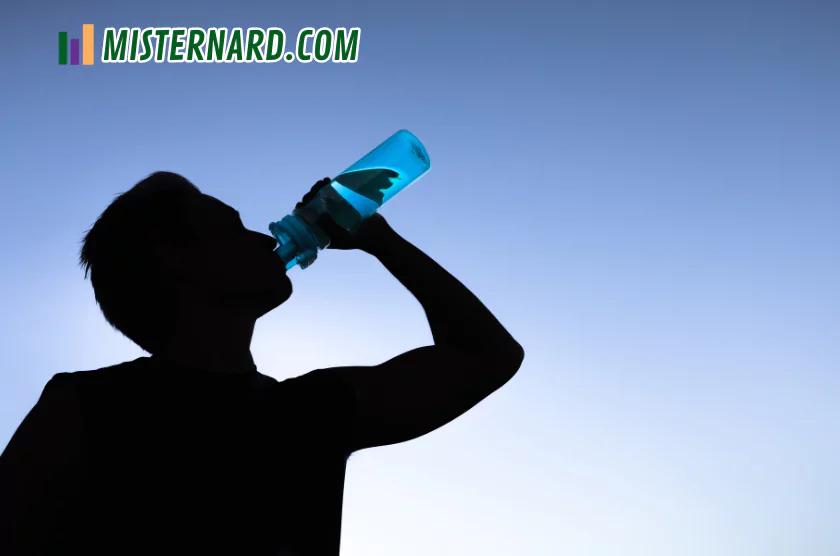
Staying hydrated is crucial, especially during the hot summer months. As temperatures rise, so does the risk of dehydration, which can lead to a host of health issues. Proper hydration supports overall health, aids in temperature regulation, and ensures that your body functions optimally. This comprehensive guide will provide you with valuable insights and practical tips on how to stay hydrated during summer, focusing on maintaining adequate water intake and recognizing the signs of dehydration.
Importance of Hydration
Why Hydration Matters
Water is essential for life. It plays a vital role in various bodily functions, including:
- Regulating body temperature: Through sweating and respiration.
- Maintaining electrolyte balance: Essential for muscle function and nerve signaling.
- Aiding digestion: Facilitates the movement of food through the digestive tract.
- Supporting cardiovascular health: Helps maintain blood volume and pressure.
Risks of Dehydration
Dehydration occurs when the body loses more fluids than it takes in. During summer, the risk increases due to higher temperatures and increased physical activity. Common symptoms of dehydration include:
- Thirst and dry mouth
- Fatigue and dizziness
- Dark-colored urine
- Muscle cramps
- Confusion and irritability
In severe cases, dehydration can lead to heat exhaustion or heat stroke, which require immediate medical attention.
Understanding Your Water Needs
Daily Water Intake Recommendations
The amount of water you need can vary based on several factors, including age, weight, activity level, and climate. However, a general guideline is to drink at least eight 8-ounce glasses of water per day, known as the “8×8 rule.” This equals about 2 liters or half a gallon of water.
Factors Influencing Hydration Needs
Physical Activity: Increased physical activity leads to more sweating, requiring higher water intake.
- Climate: Hot and humid weather increases the need for hydration.
- Health Conditions: Illnesses or health conditions can affect hydration needs.
- Diet: High-salt or high-protein diets may increase water requirements.
Tips to Stay Hydrated During Summer
1. Drink Plenty of Water
The most straightforward way to stay hydrated is to drink water consistently throughout the day. Carry a water bottle with you and take small sips regularly.
2. Eat Hydrating Foods
Incorporate foods with high water content into your diet. Some hydrating foods include:
- Watermelon
- Cucumbers
- Oranges
- Strawberries
- Lettuce
These foods not only provide hydration but also essential vitamins and minerals.
3. Avoid Sugary and Caffeinated Beverages
Sugary drinks and caffeinated beverages like soda, coffee, and energy drinks can contribute to dehydration. Opt for water, herbal teas, or natural fruit juices instead.
4. Use Electrolyte Solutions
During intense physical activity or high heat, you may lose electrolytes through sweat. Replenish these with electrolyte-rich drinks or solutions, especially if engaging in prolonged outdoor activities.
5. Set Reminders
If you often forget to drink water, set reminders on your phone or use a hydration app. Consistent reminders can help ensure you maintain adequate water intake throughout the day.
6. Monitor Your Urine
A simple way to gauge your hydration level is by monitoring the color of your urine. Light yellow or clear urine typically indicates proper hydration, while dark yellow or amber suggests you need to drink more water.
Hydration Strategies for Specific Groups
Hydration for Children
Children are particularly vulnerable to dehydration due to their higher body surface area to weight ratio. Encourage them to drink water regularly, especially when playing outside. Offer water-rich snacks like fruits and set a good example by staying hydrated yourself.
Hydration for the Elderly
Older adults may have a diminished sense of thirst, making them more susceptible to dehydration. Encourage regular fluid intake, offer a variety of hydrating beverages, and ensure they drink water with meals.
Hydration for Athletes
Athletes and physically active individuals need to pay extra attention to their hydration status. They should:
- Drink water before, during, and after exercise.
- Use sports drinks to replenish electrolytes during prolonged activities.
- Monitor their sweat rate and adjust fluid intake accordingly.
Myths and Misconceptions About Hydration
Myth 1: You Only Need to Drink When Thirsty
Thirst is a late indicator of dehydration. It’s essential to drink water regularly, even if you don’t feel thirsty.
Myth 2: All Beverages Hydrate Equally
Not all beverages are created equal. While water is the best choice, some drinks, like alcohol and caffeine, can have diuretic effects and contribute to dehydration.
Myth 3: Clear Urine is Always Good
While clear urine often indicates good hydration, it can also mean you’re drinking too much water. Balance is key, and pale yellow urine is typically a better indicator of proper hydration.
Hydration and Health Benefits
Enhanced Physical Performance
Proper hydration improves physical performance by:
- Regulating body temperature
- Lubricating joints
- Transporting nutrients to cells
- Improved Cognitive Function
Staying hydrated supports brain function, helping with concentration, memory, and mood regulation.
Better Skin Health
Hydration keeps your skin moisturized and can help reduce the appearance of wrinkles and improve skin elasticity.
Weight Management
Drinking water before meals can help control appetite, potentially leading to better weight management.
Hydration in Different Climates
Hot and Humid Climates
In hot and humid climates, sweat doesn’t evaporate as quickly, making it harder for your body to cool down. Increase your water intake and take frequent breaks in the shade or indoors to cool off.
Dry Climates
In dry climates, you may not sweat as much, but water loss through the skin and respiration can still be significant. Drink water consistently and use moisturizers to keep your skin from drying out.
Practical Hydration Tips for Everyday Life
At Home
- Keep a water pitcher in the refrigerator.
- Drink a glass of water with each meal.
- Infuse water with fruits or herbs for added flavor.
At Work
- Keep a water bottle at your desk.
- Take regular water breaks.
- Set hydration goals for the day.
While Traveling
- Carry a reusable water bottle.
- Drink water before, during, and after flights.
- Be mindful of water quality and opt for bottled or purified water in areas with unsafe tap water.
Recognizing and Responding to Dehydration
Early Signs of Dehydration
- Dry mouth and lips
- Headache
- Fatigue
- Reduced urine output
Severe Dehydration Symptoms
- Rapid heartbeat
- Sunken eyes
- Low blood pressure
- Confusion
If you experience severe symptoms, seek medical attention immediately.
Rehydration Strategies
For mild dehydration, increase your water intake and rest in a cool environment. For more severe cases, oral rehydration solutions or medical intervention may be necessary.
Conclusion
Staying hydrated during summer is essential for maintaining overall health and well-being. By understanding your hydration needs, incorporating water-rich foods into your diet, and recognizing the signs of dehydration, you can ensure that you stay properly hydrated even in the hottest months. Remember to drink water regularly, avoid dehydrating beverages, and adjust your fluid intake based on your activity level and climate. With these practical tips, you can enjoy a healthy, hydrated summer.