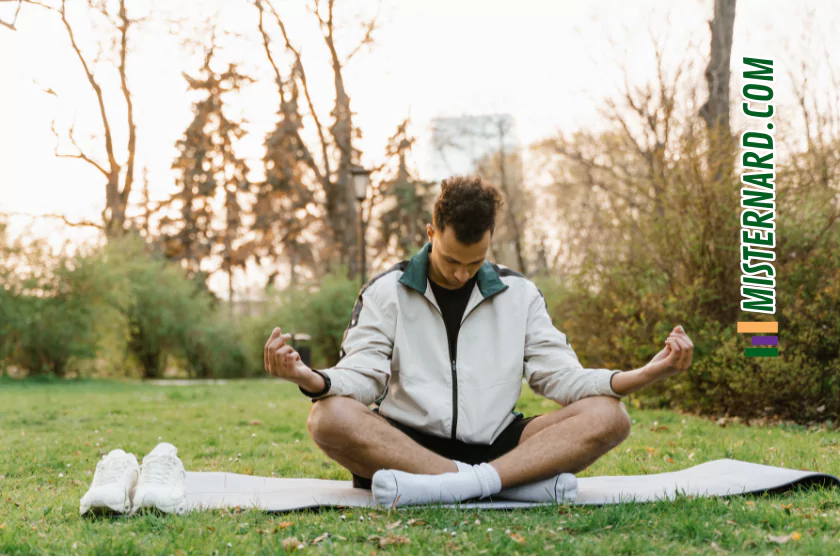
The Importance of Stretching for Fitness

Stretching for fitness is a practice that involves elongating the muscles to improve flexibility, range of motion, and overall physical performance. Whether you are an athlete, a weekend warrior, or someone who enjoys a daily walk, stretching should be an integral part of your fitness routine. Not only does it prepare your body for exercise, but it also aids in recovery and reduces the risk of injury.
Benefits of Stretching
Improved Flexibility
One of the primary benefits of stretching is improved flexibility. Flexibility refers to the ability of your muscles and joints to move through their full range of motion. Regular stretching helps to lengthen your muscles and tendons, making your body more pliable and less prone to injuries.
- Enhanced Range of Motion: Stretching exercises help to increase the range of motion in your joints, allowing for more fluid and efficient movements.
- Reduced Muscle Stiffness: Regular stretching can help to reduce muscle stiffness and soreness, making everyday activities more comfortable.
Enhanced Performance
Stretching can significantly enhance your physical performance by improving muscle coordination and balance.
- Better Muscle Coordination: Stretching helps to synchronize the movements of your muscles, improving overall coordination and balance.
- Increased Blood Flow: Stretching increases blood flow to the muscles, providing them with more oxygen and nutrients, which can enhance performance.
Injury Prevention
Incorporating stretching exercises into your fitness routine is essential for injury prevention. Tight muscles can lead to strains, sprains, and other injuries. Stretching helps to keep your muscles flexible and strong, reducing the likelihood of injuries.
- Reduced Risk of Muscle Strains: Stretching helps to keep muscles flexible, reducing the risk of strains and sprains.
- Improved Muscle Recovery: Post-workout stretching aids in muscle recovery by reducing muscle tension and soreness.
Better Posture
Stretching plays a vital role in maintaining good posture. Poor posture can lead to a range of health issues, including back pain, neck pain, and muscle imbalances.
- Alignment Correction: Stretching exercises help to align your body correctly, improving your posture.
- Muscle Balance: Stretching helps to balance the muscles around your joints, reducing the risk of posture-related problems.
Stress Relief
Stretching is also an excellent way to relieve stress and promote relaxation. It helps to release tension in the muscles, which can accumulate due to stress and anxiety.
- Relaxation: Stretching exercises promote relaxation by relieving muscle tension and reducing stress hormones.
- Mental Clarity: Stretching can improve mental clarity and focus, making it easier to manage stress.
Types of Stretching Exercises
There are several types of stretching exercises, each with its own benefits and applications. Understanding these different types can help you to incorporate the most effective stretching techniques into your fitness routine.
Static Stretching
Static stretching involves holding a stretch in a comfortable position for a period of time, usually between 15 to 60 seconds. This type of stretching is most effective after a workout when your muscles are warm.
- Benefits: Improves flexibility and range of motion, reduces muscle tension.
- Examples: Hamstring stretch, calf stretch, shoulder stretch.
Dynamic Stretching
Dynamic stretching involves moving parts of your body through a full range of motion in a controlled manner. This type of stretching is ideal before a workout to prepare your muscles for activity.
- Benefits: Increases blood flow, improves dynamic flexibility, enhances muscle performance.
- Examples: Leg swings, arm circles, walking lunges.
Ballistic Stretching
Ballistic stretching involves using the momentum of a moving body or a limb to force it beyond its normal range of motion. This type of stretching should be performed with caution as it can lead to injury if not done correctly.
- Benefits: Increases range of motion, improves muscle elasticity.
- Examples: Bouncing toe touches, high kicks.
PNF Stretching
Proprioceptive Neuromuscular Facilitation (PNF) stretching involves a combination of stretching and contracting the muscle. It is often performed with a partner and is highly effective for improving flexibility.
- Benefits: Enhances flexibility, increases muscle strength.
- Examples: Hold-relax, contract-relax, hold-relax with agonist contraction.
Incorporating Stretching into Your Fitness Routine
Incorporating stretching into your fitness routine can be easy and highly beneficial. Here are some tips on how to effectively include stretching exercises in your daily regimen.
Pre-Workout Stretching
Dynamic stretching is the most effective form of stretching to perform before a workout. It helps to warm up your muscles and prepare them for the physical activity ahead.
- Duration: Spend about 5-10 minutes on dynamic stretching before your workout.
- Exercises: Include exercises like leg swings, arm circles, and walking lunges.
Post-Workout Stretching
Static stretching is most beneficial after a workout. It helps to cool down your muscles and improve flexibility.
- Duration: Spend about 10-15 minutes on static stretching after your workout.
- Exercises: Include stretches like hamstring stretches, calf stretches, and shoulder stretches.
Daily Stretching Routine
Incorporating a daily stretching routine can help to improve your overall flexibility and reduce muscle tension.
- Duration: Spend about 10-15 minutes on stretching exercises daily.
- Exercises: Include a mix of static, dynamic, and PNF stretching exercises.
Common Stretching Mistakes to Avoid
While stretching is beneficial, it is important to perform it correctly to avoid injury. Here are some common stretching mistakes to avoid.
- Bouncing During Stretching: Avoid bouncing or jerking movements during stretching as it can lead to muscle strains.
- Stretching Cold Muscles: Always warm up your muscles before stretching to prevent injury.
- Holding Your Breath: Remember to breathe normally while stretching to help relax your muscles.
- Overstretching: Do not stretch to the point of pain. Stretching should be comfortable and gentle.
- Ignoring Pain: If you feel any pain while stretching, stop immediately. Stretching should not be painful.
Conclusion
Stretching for fitness is an essential component of any exercise routine. It offers numerous benefits, including improved flexibility, enhanced performance, injury prevention, better posture, and stress relief. By incorporating different types of stretching exercises into your fitness regimen, you can ensure that your muscles remain flexible and strong, reducing the risk of injury and improving your overall physical performance.
Remember to include dynamic stretching before your workouts and static stretching after your workouts for optimal results. Additionally, consider incorporating a daily stretching routine to maintain flexibility and reduce muscle tension. Avoid common stretching mistakes to ensure that you are stretching safely and effectively.
In conclusion, the importance of stretching for fitness cannot be overstated. It is a simple yet powerful tool that can help you achieve your fitness goals and maintain a healthy, active lifestyle. So, take the time to stretch and reap the numerous benefits it has to offer.